Wild Web
The best web design projects start before the designer does. If you arrive at the first call knowing what the website is for, who it’s for and what you’ve got ready, the whole project goes faster, costs less of your time and ends up closer to what you actually wanted.
You don’t need a polished brief. You do need a few decisions made and a few things gathered. Here’s what I’d prepare before hiring a web designer, whether that’s me or someone else.
1. Decide what the website is for
Write one or two sentences. “I want more phone calls from homeowners in the north-west of Melbourne” is a goal a designer can work with. “I need a new website” isn’t. Common goals include getting enquiries, taking bookings, selling products, showing credibility to potential clients or giving existing customers information.
If you have more than one goal, rank them. The top one decides what goes at the top of the homepage.
2. Know who you’re trying to reach
Describe your typical customer in a paragraph. Who are they, what are they worried about, what do they search for and what makes them choose one business over another? If you can describe two or three types of customer, even better. This shapes the writing, the layout and the pages.
3. Look at your current website honestly
If you have an existing website, gather the basics:
- What do you like about it, and what drives you mad?
- Which pages get the most use, if you know?
- What’s the address (domain), and who controls it?
- Is it on Wix, WordPress, Squarespace or something else?
- Are you getting enquiries from it now, and from where?
If you can, get a list of your main pages. A good designer will protect what’s working and fix what isn’t, including setting up redirects so you don’t lose existing Google visibility.
4. Collect examples you like, and ones you don’t
Pick three to five websites you admire and write a line on why. It might be the clear layout, the photography, the tone of the writing or how easy it is to book. Add one or two sites you dislike and say why. This tells a designer more about your taste than any adjectives.
They don’t have to be competitors. A good café website can inspire a clinic, and vice versa.
5. Gather your content early
Content is the most common cause of delays. Before the build starts, try to have:
- Logo files, ideally the original files, not a photo of a business card
- Brand colours and fonts, if you have them
- Photos of your work, your premises and your team. Real photos always beat stock images
- Text for the main pages, even rough notes. A designer can help shape it
- Testimonials, only ones you’ve actually been given and have permission to use
- Service descriptions and how each works
- Contact details, opening hours and service areas
- Accreditations, licences or memberships you want to show
If you’re short on any of it, say so. I can help shape rough notes into clear copy, and we can plan a photo shoot or select images together.
6. Think about the pages you’ll need
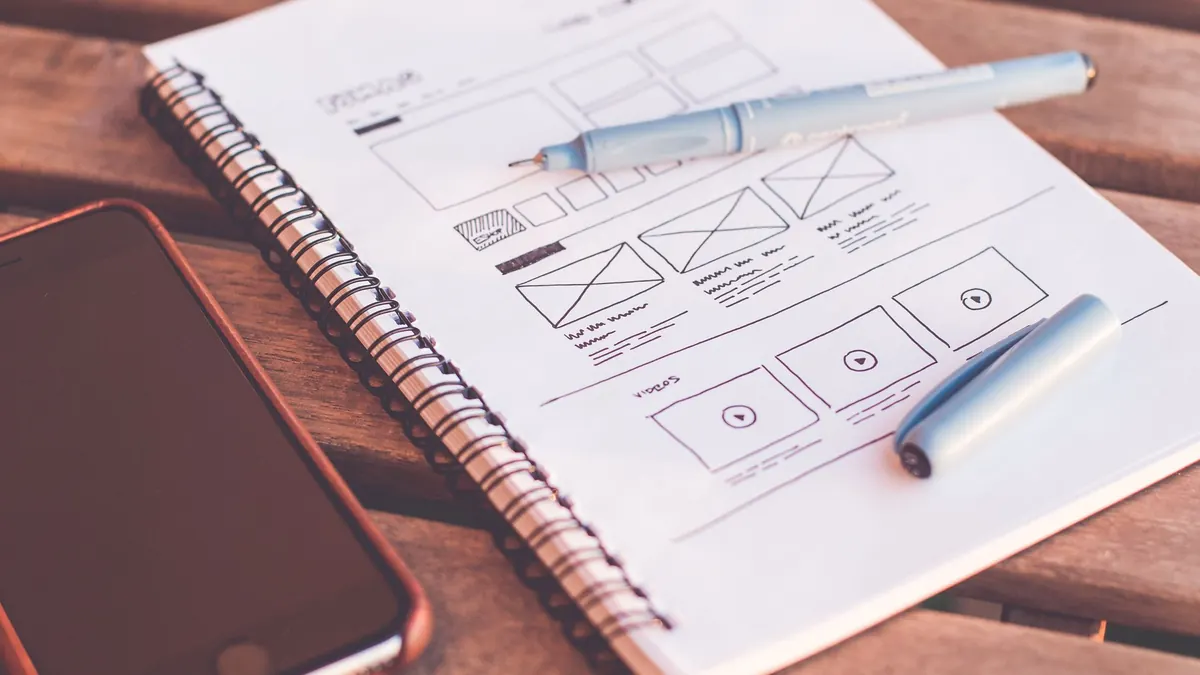
Most small business sites need Home, About, Services (or one page per service), Contact and sometimes Blog, Gallery or Shop. Sketch a simple list. If you’re not sure, a designer should suggest a structure based on what your customers look for. My guide to what to put on your homepage is a useful starting point.
7. Work out who needs to approve what
If there are partners, a committee or a business owner who needs to sign off, tell your designer upfront. Decide who gives final feedback and how. Too many opinions late in the process is a quiet cause of blown timelines. Pick one person to collect feedback and give it as a single list.
8. Be clear about how you’ll handle the technical bits
Think about:
- Domain name: do you already own it, and where is it registered?
- Email: is it tied to your current website hosting? Moving a site can affect email if it isn’t planned.
- Ownership: make sure you know who owns the site and the domain at the end. Get it in writing before work starts.
- After launch: who updates it? Do you want to do it yourself, or have someone handle it?
9. Know your timeline and why
“As soon as possible” isn’t a deadline. If there’s a real date, such as a launch, a busy season or an old site that’s about to be switched off, tell your designer. As a guide, most small business projects take two to four weeks, depending on pages and how ready your content is. I’ve written more on this in how long a new website takes.
10. Ask the right questions of the designer
When you speak to a designer, don’t be shy about asking:
- Who will actually do the work, and who will I speak to?
- What platform will you use, and why is it right for me?
- Will I own the site and be able to edit it myself?
- How do you handle SEO and redirects if I’m replacing an old site?
- What do you need from me, and by when?
- What happens after launch, and who do I call when something breaks?
- Is the quote fixed, and what is and isn’t included?
Be wary of anyone who promises first-page rankings or can’t explain what they’ll do in plain language. Honest designers talk about foundations and process, not guarantees.
11. Check how they work with people like you
Look at their previous work, and ask for the live links. Check the sites load quickly on your phone. A designer who builds fast, clear sites for businesses similar to yours is usually a safer bet than one with a flashy portfolio that doesn’t match your needs. You can see how I approach different types of business on my work page.
A simple checklist to take to the first call
- One-sentence goal for the website
- Who your customers are and what they search for
- Links to your current site and three sites you like
- Your logo, photos and rough text, or a plan to get them
- Pages you think you need
- Who approves the work
- Your domain details and email setup
- Your ideal launch date and why
If you’ve got most of that, you’re in great shape. If you’ve got half, you’re still ahead of most. Either way, the first conversation is the place to sort out the rest.
Want to talk it through?
I offer a free 15-minute call where we go through exactly this: your goal, your customers, what you already have and what a project would look like. Book a time, or send me your current site for a free audit first. I work with businesses across Australia, from Sydney to Perth, all online and by phone.
Want a hand with your website?
Get a free audit of your speed, mobile experience and search basics, or book a free 15-minute call. No obligation.